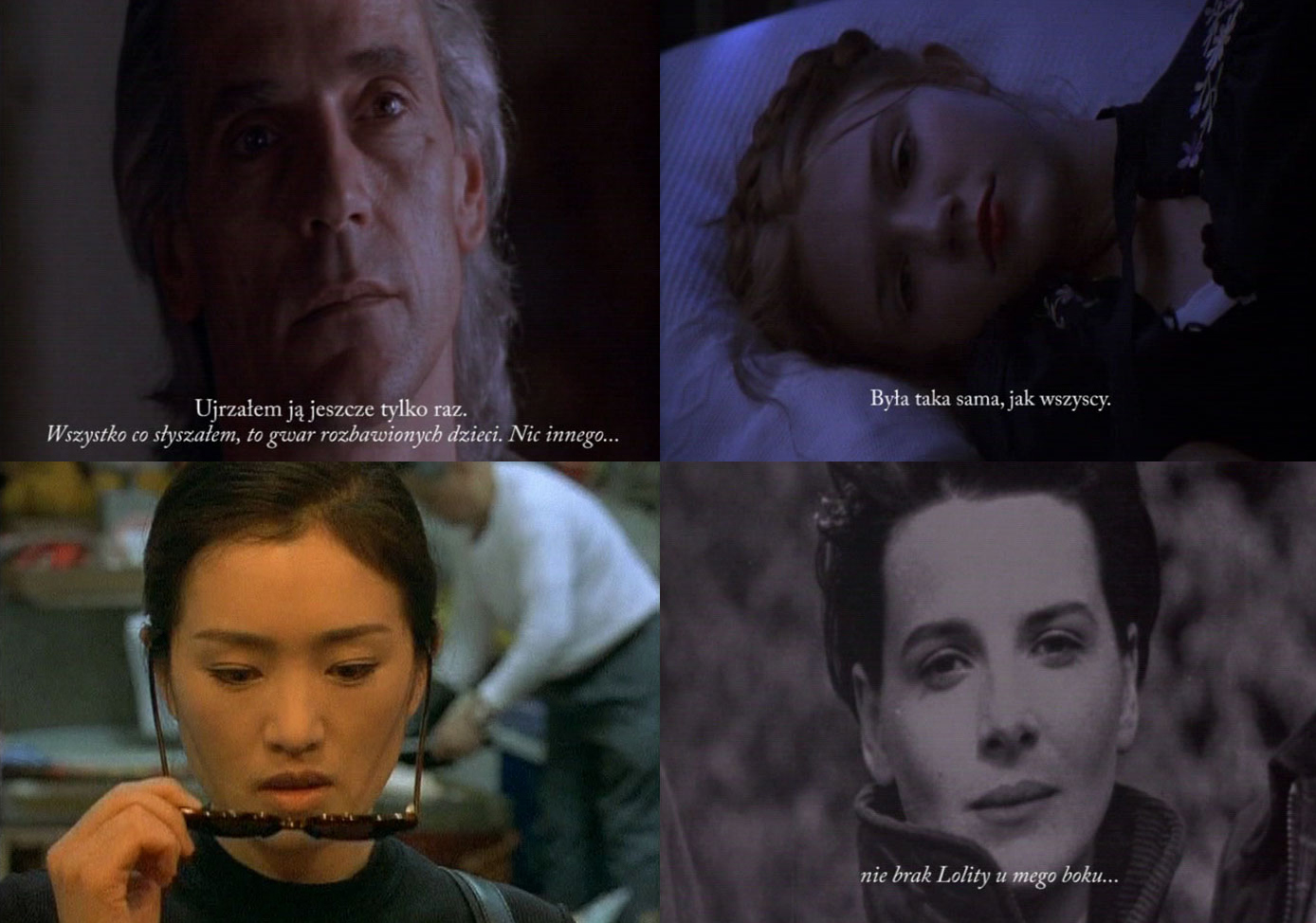
Piece of Jade
2006/2007
found footage video
duration: 8’03”
from the series Game with Moving Mirrors – Part One
In her work A Piece of Jade, Burska makes analytical operations based on the juxtaposition of three film “modules”. The linking element here is the actor (Jeremy Irons) and the melodramatic plot of three films in which he has acted (A Chinese Box by Wayne Wang, Lolita by Adrian Lyne and Damage by Louis Malle). All three films consist of a “melodramatic filming” of emotions which do not have much in common with real life. We can say that Burska, using the techniques of editing typical of the art of appropriation, stratifies the texts of the analysed films and divulges what they hide.
On top of this, she has created her works after the so-called “cinematographic turn”, so the proportions between fascination with the analysed field and its criticism are disturbed here (certainly with the bias towards fascination). However, I am convinced that Burska introduces a significant innovation into this model – which is rather familiar and common in the field of critical video art – namely, she blurs the borders between the strategies of structural cinema, concentrated on the formal qualities of the image (its specific rejection of too strong a textual aspect), and the art of appropriation, which tends towards a specific over-production of the text in the deconstruction of the film being analysed. These two strategies have determined the most popular vectors in the development of found footage films but, to date, they have remained separate.
Burska joins them, treating part of the films she analyses as a strictly formal element. This is correlated with her overall approach to the issue of emotions in film. Burska, performing generative operations on the contents of the films with Jeremy Irons that she analyses, makes their emotional dimension (which predominantly seems to be a love story) gain a purely formal context. This is an extremely interesting operation, I believe, following in the vein of the strategies of analytical and minimal art of the 1960s and 1970s, with a significant innovation, however. Those films observed the division into form and content in a restrictive way, while Burska, through her modular, almost mathematical, operations of juxtaposition and decomposition, intensifies visibility.
By doing so, she scrutinises a given motif in an overt way, treating the motif as a palimpsest of the same elements accruing over and over again. Thus, she emphasises its purely formal status and waywardly builds the effect of distance. This effect is encapsulated in operations which render the content of the film autonomous. Here, the autonomy, caused by the treatment of content as a formal element, becomes a sort of criticism and the point of resistance to the too strong automatism of our reactions towards both the professional feature film and video art operating with strategies of deconstruction and the overproduction of text.
From the text by Łukasz Ronduda The Content as a Formal Element. About Bogna Burska’s A Piece of Jade, catalogue Movies. Bogna Burska (2014)
work in the collection of the Łódź Society for the Encouragement of Fine Arts
sources:
Chinese Box dir. Wayne Wang
Damage dir. Louis Malle
Lolita dir. Adrian Lyne
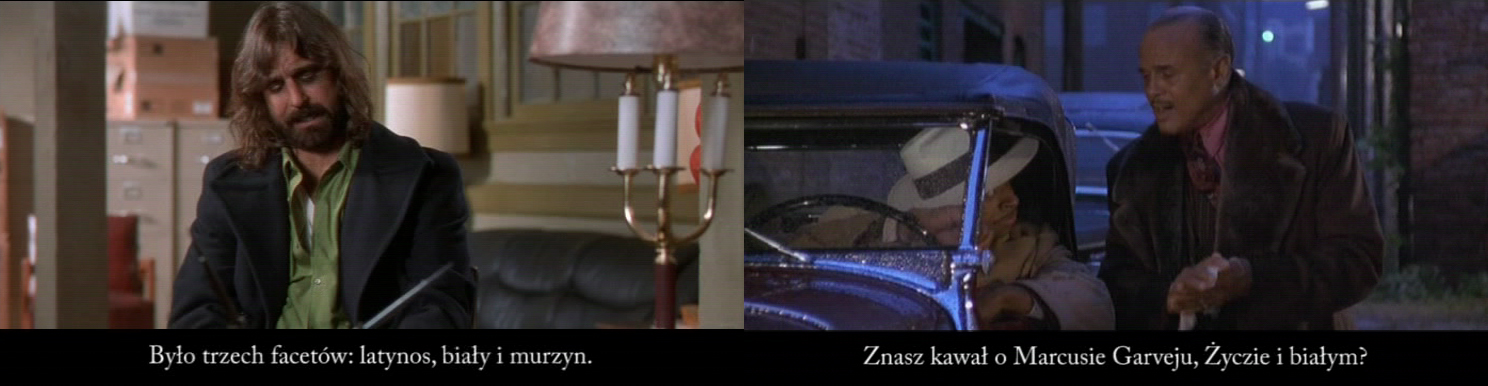
One more
2006/2007
found footage video
duration: 4’20”
from the series Game with Moving Mirrors – Part One
sources:
Kansas City dir. Robert Altman
The Boondock Saints dir. Troy Duffy
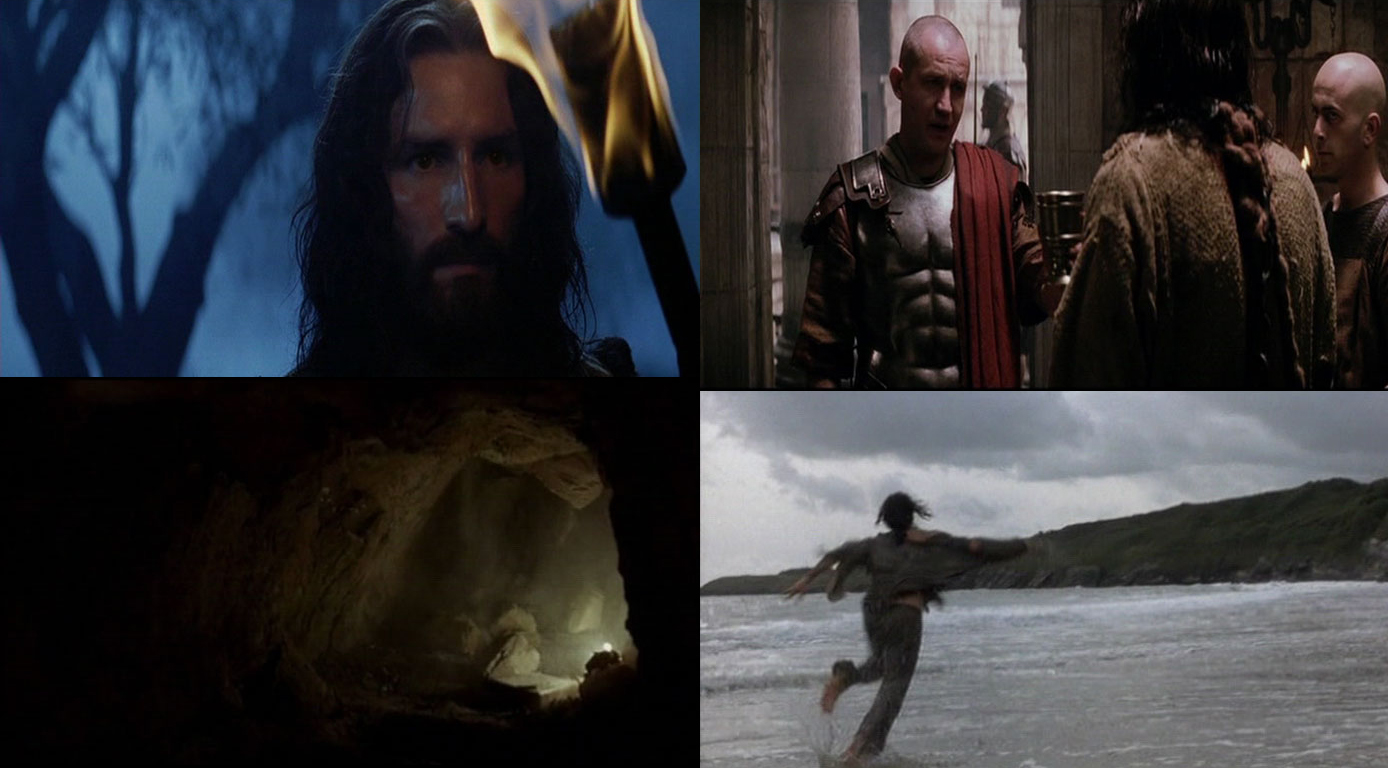
Very Bad Dream of Count Monte Christo
2006/2007
found footage video
duration: 7’52”
from the series Game with Moving Mirrors – Part One
sources:
The Count of Monte Cristo dir. Kevin Reynolds
The Passion of the Christ dir. Mel Gibson
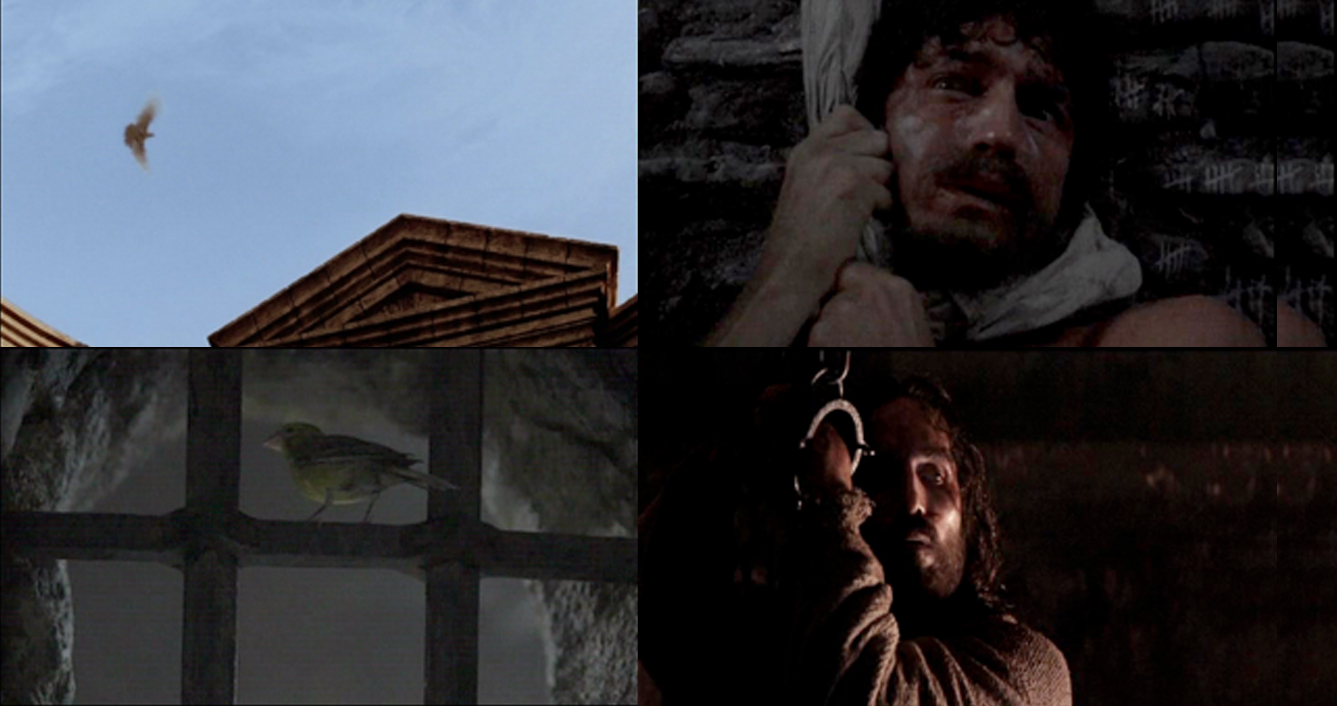
Remake
2009
found footage video
duration: 4’38”
sources:
The Count of Monte Cristo dir. Kevin Reynolds
The Passion of the Christ dir. Mel Gibson